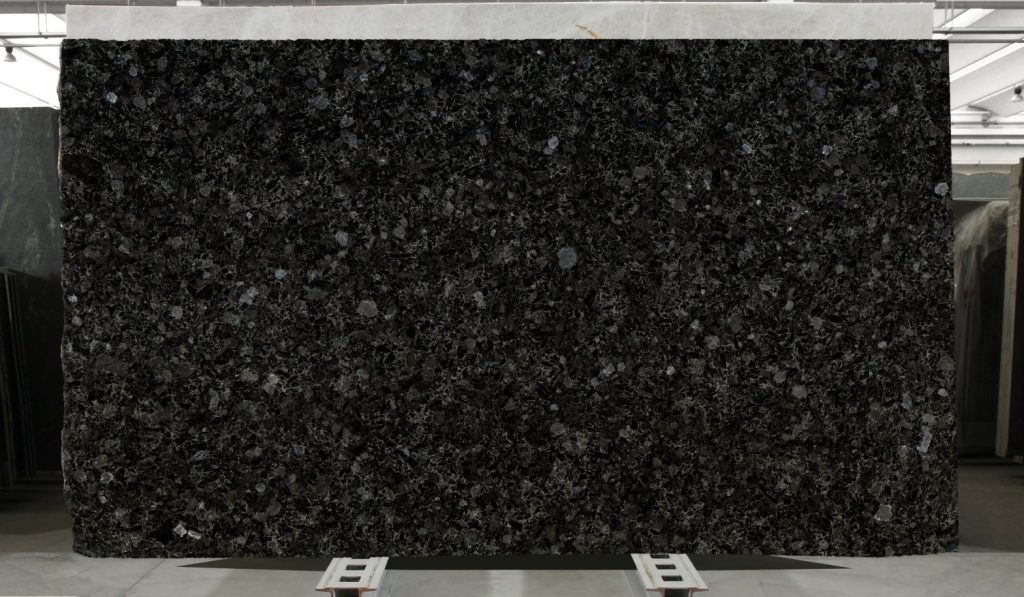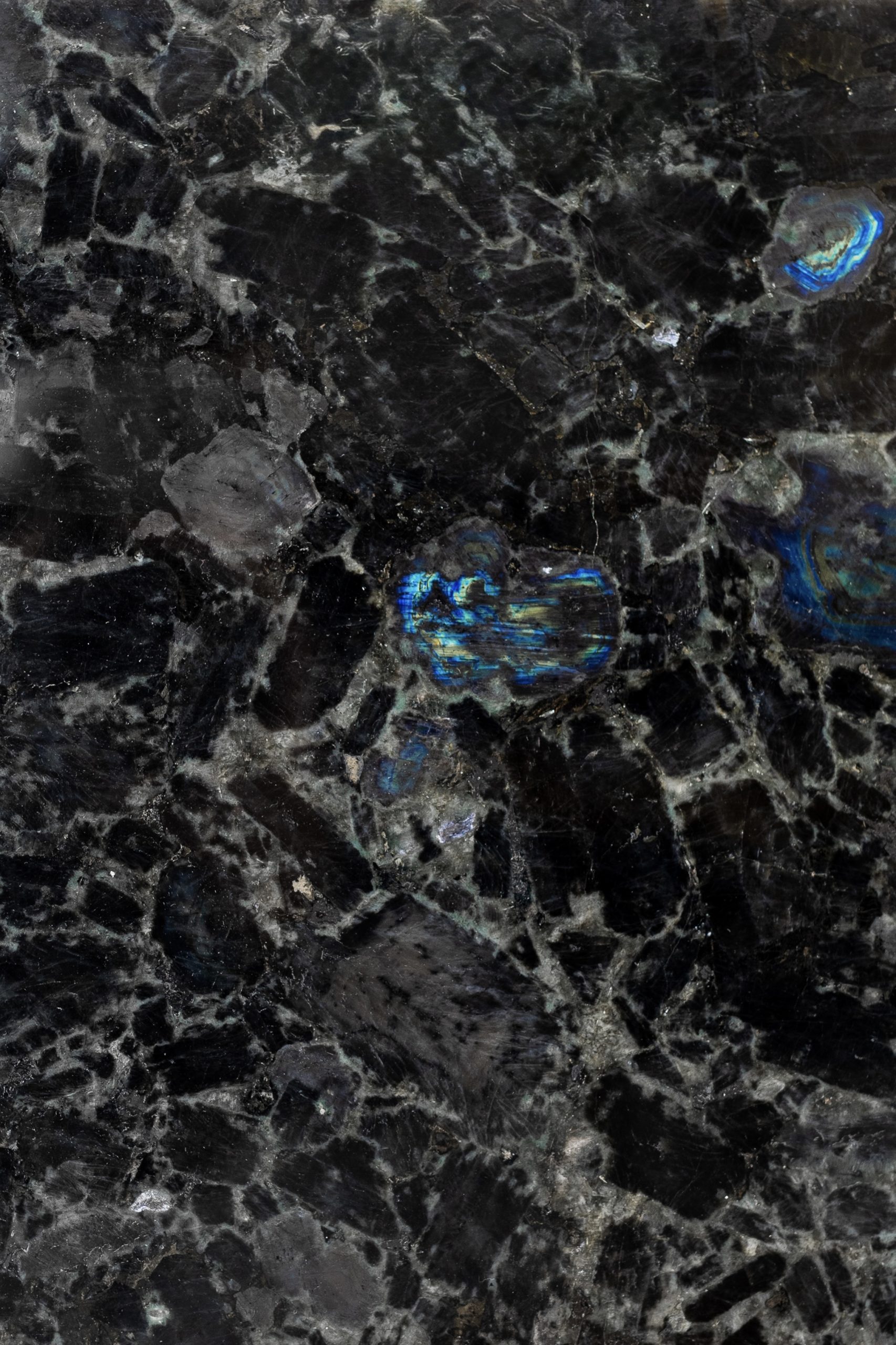
VOLGA BLUE CLASSIC
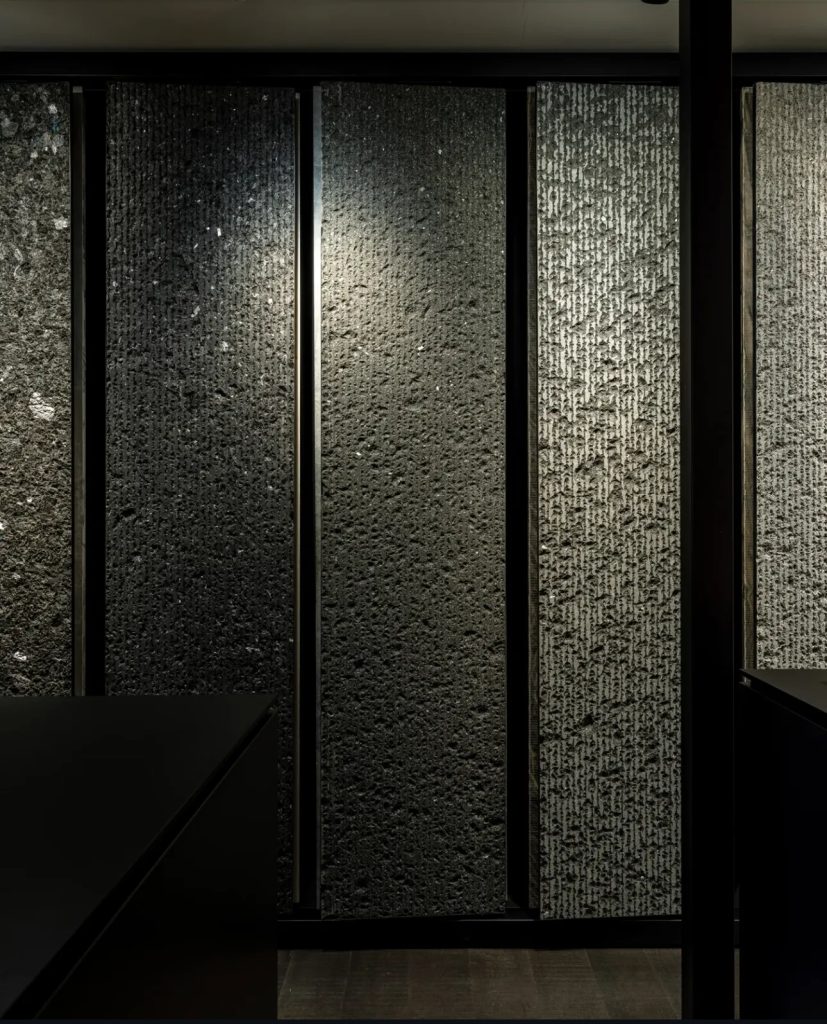
Explore the finishes of Volga Blue and discover how each surface creates its own expression. A natural material shaped in different ways, combining timeless beauty with durability for a wide range of architectural applications

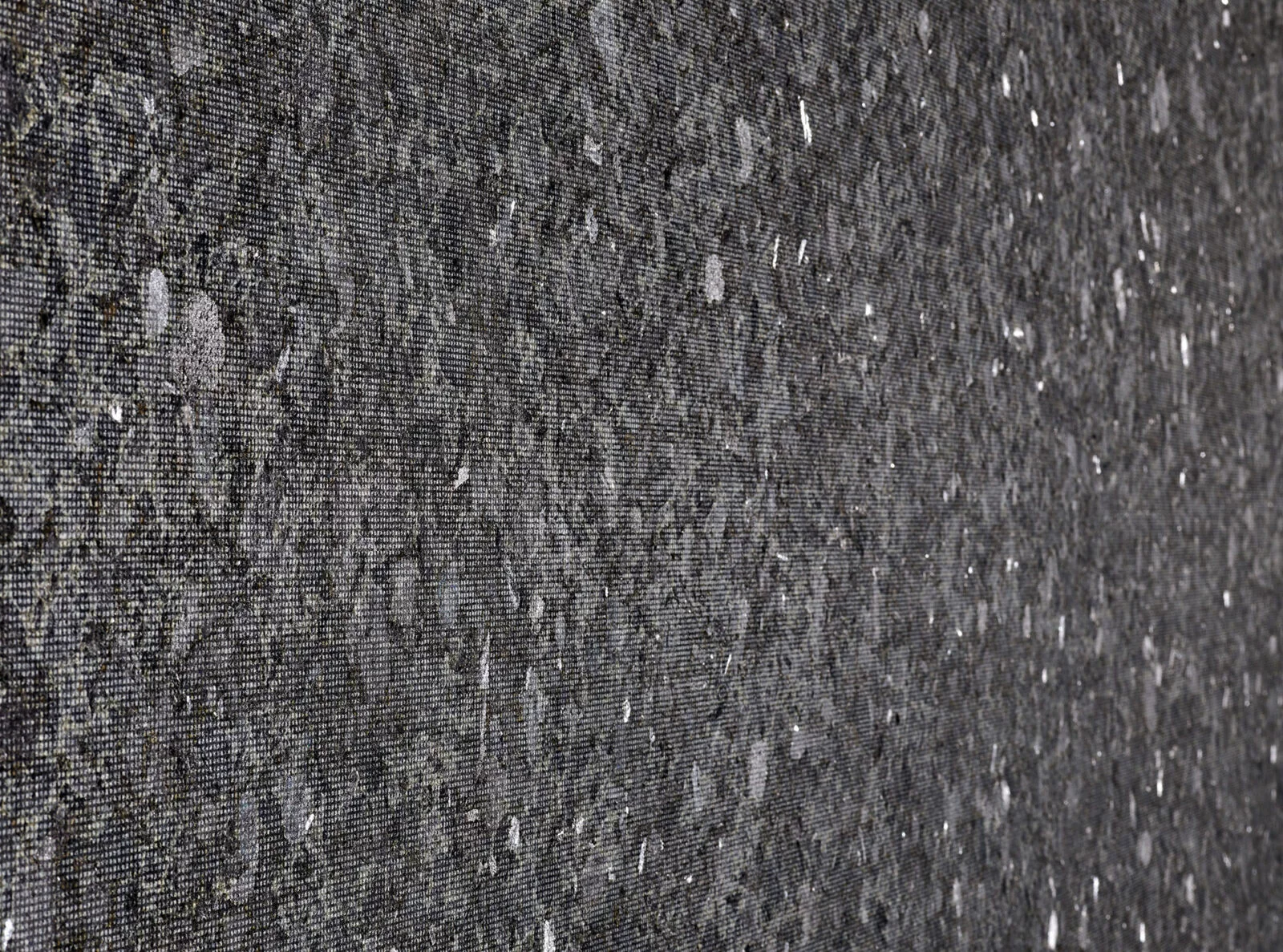
Leather
Leather or silk finish is the ideal option for those who prefer a tactile surface with a softer visual presence. The resulting surface is gently textured yet refined, offering a subtle grip that feels more grounded than a high-gloss polish while still preserving the richness of the stone’s color and natural pattern
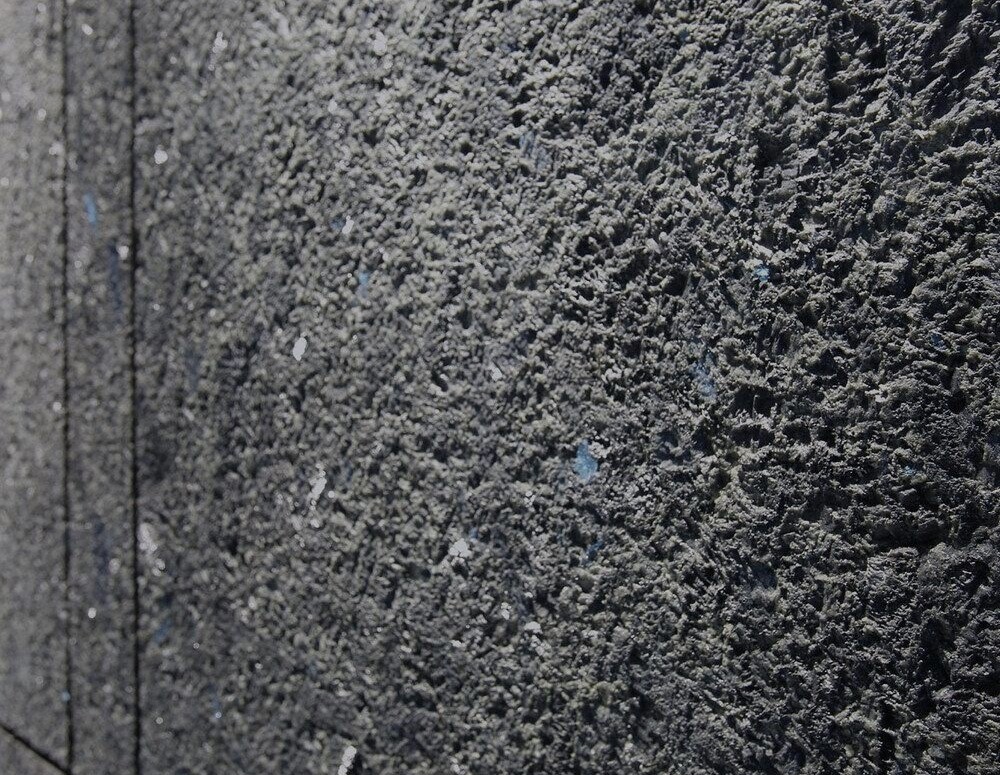
Waterjet
This finish is the definitive choice for moisture-prone areas where slip resistance is required. What sets this treatment apart is its precision: unlike traditional flaming, which can dull a stone’s appearance, the waterjet process maintains the stone’s original color depth and natural shimmering qualities
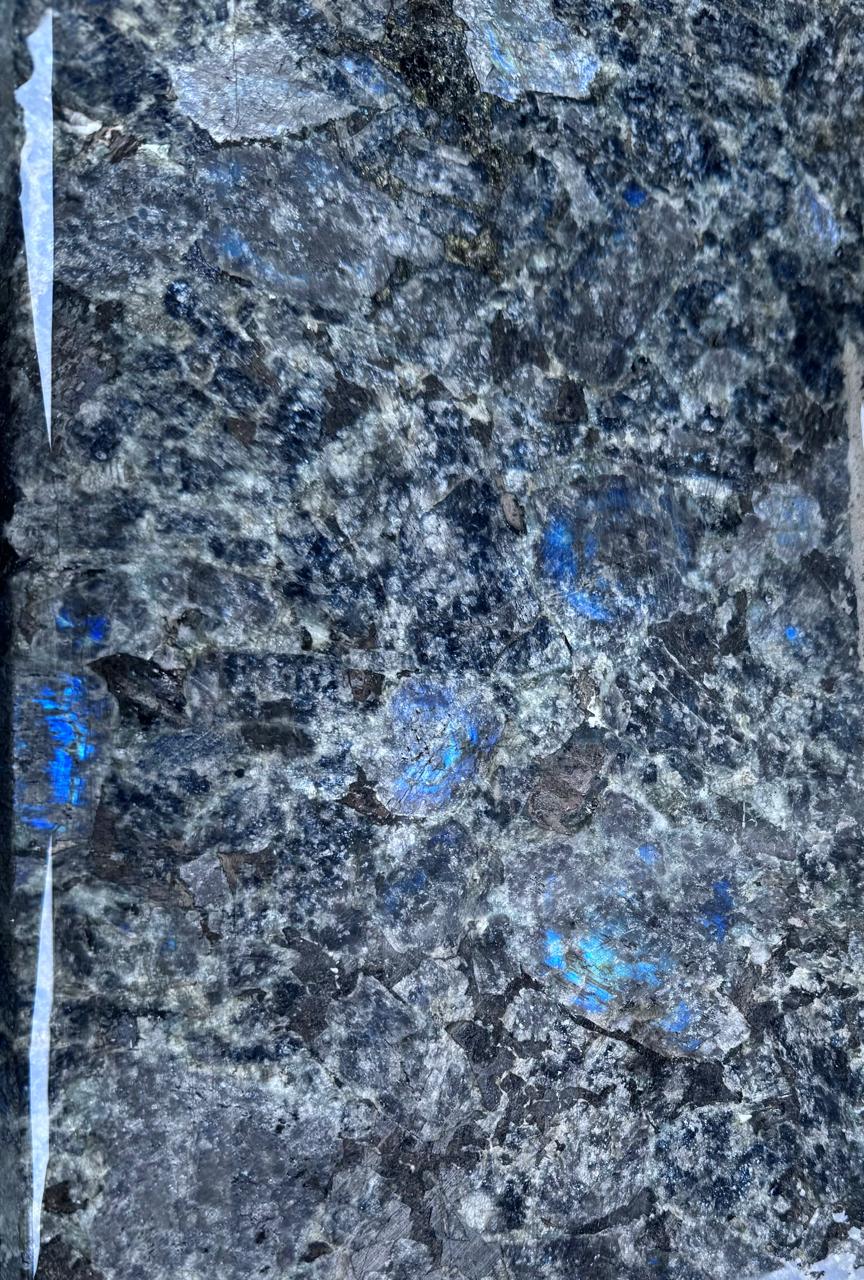
Labradorite LLC presents Raw Collection — an exclusive finish for premium projects featuring Volga Blue Labradorite. This new approach reveals the stone in a more natural and expressive way, highlighting its depth and distinctive blue iridescence.
Perfect for high-end architecture and design, Raw Collection brings a unique character to every space.
If you are interested in using our stone in your project, please contact us for professional consultation from our team
Technical Characteristics
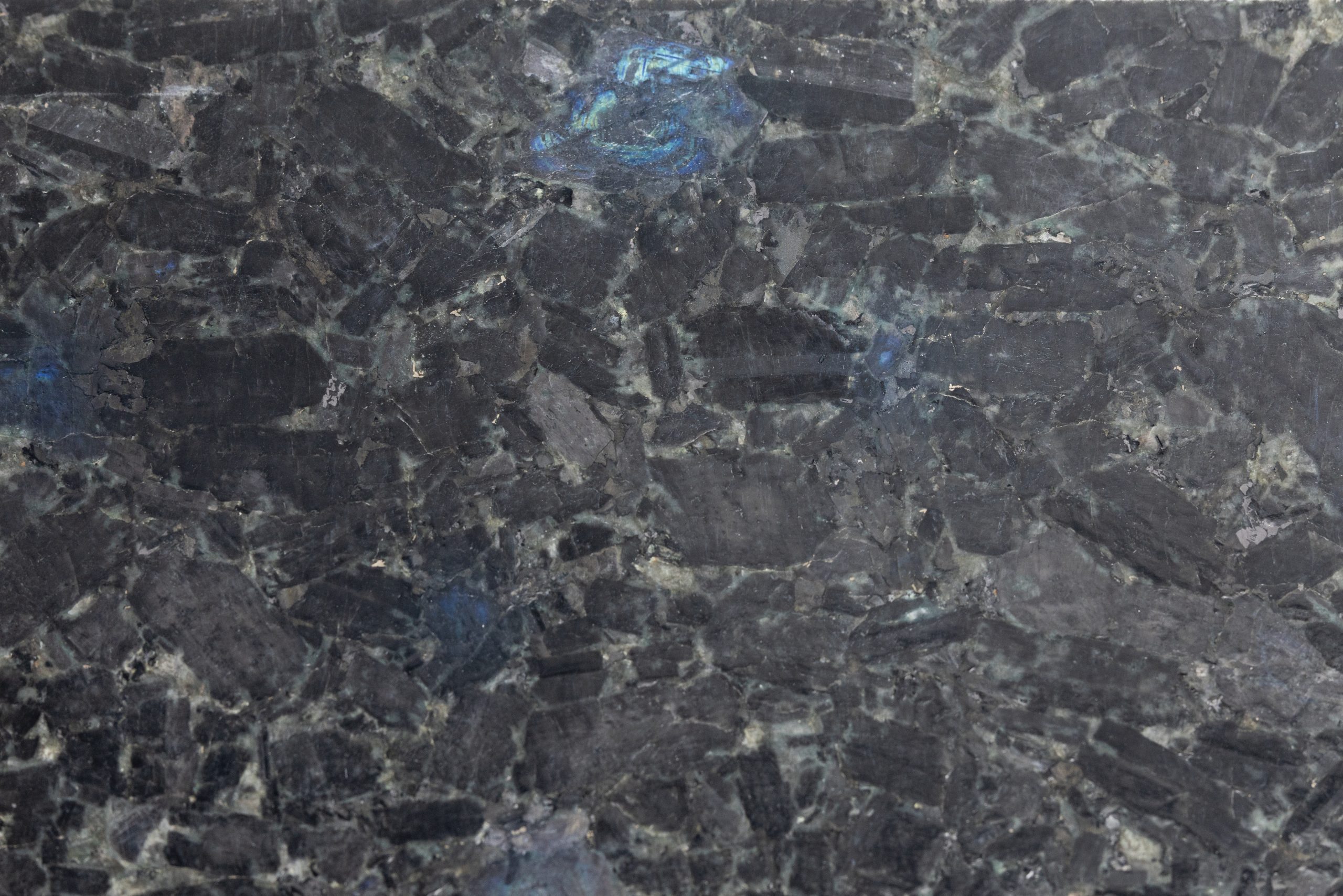
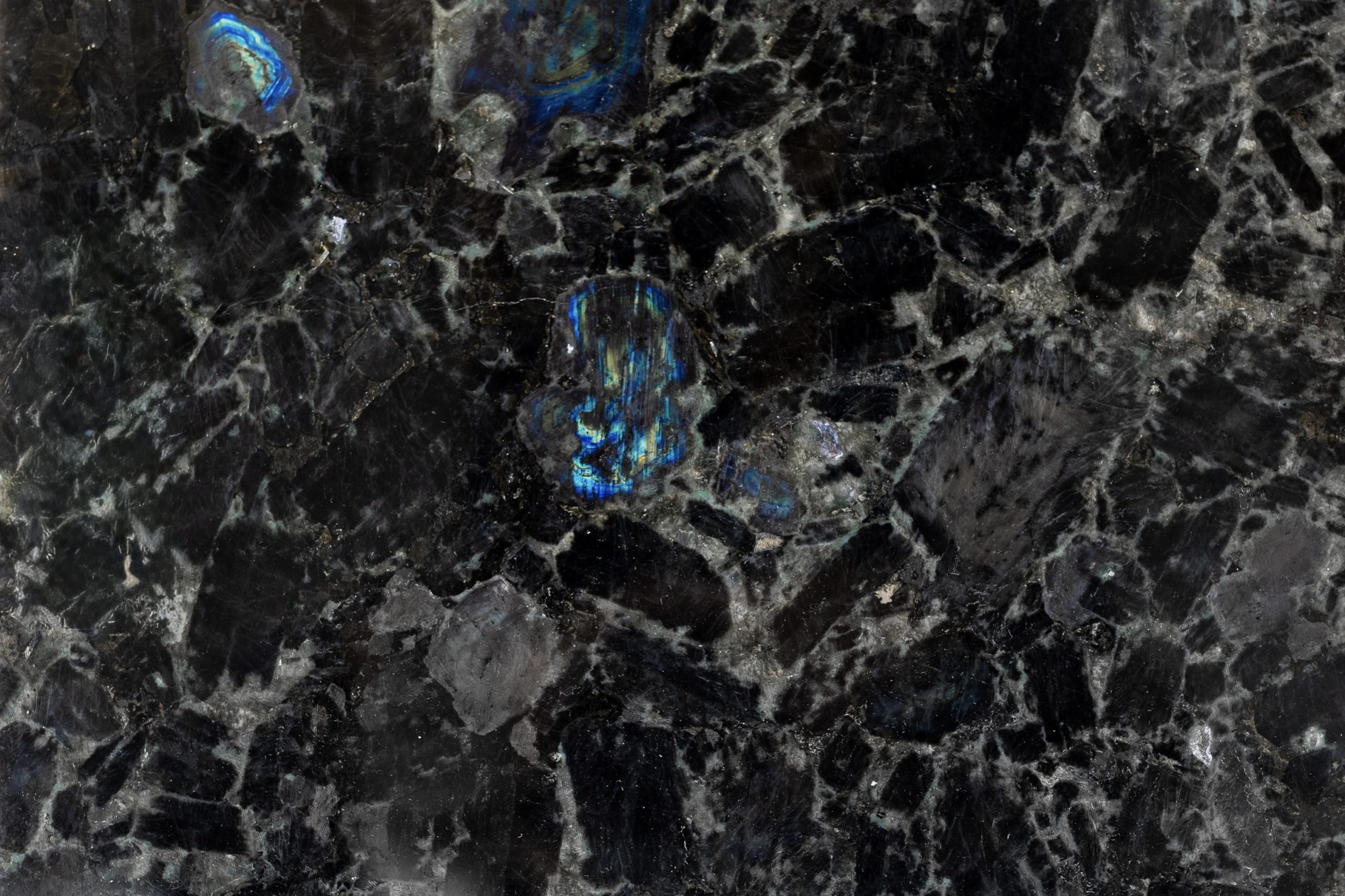
Appearance: Dark gray, coarse-grained labradorite
Main Mineral: Plagioclase (90-95%)
Texture: Dense with a bluish sheen on cleavage planes
Composition: Anorthosites from the structural and petrographic complex of developed intrusive rocks
What is labradorite?
Labradorite forms deep within the Earth’s crust as molten rock slowly cools and solidifies. During this long geological process, minerals rich in calcium and sodium crystallize together, forming a structure known as plagioclase feldspar.
What makes Labradorite truly extraordinary is the way these minerals organize themselves as the crystal grows. Inside the stone, countless microscopic layers develop. These hidden internal structures are responsible for the phenomenon known as Labradorescence.
When light enters the stone, it travels deep into the crystal, where it interacts with those delicate internal layers. The light waves scatter and reflect back at different angles, producing luminous flashes of blue, green, gold.The result is a living play of light that seems to move beneath the surface of the stone. This optical effect is not a coating or pigment, it is a natural phenomenon created by the precise balance of heat, pressure, and time within the Earth